IPTV vs. Cable TV: Why IPTV is the Future of Television
Admin Author
Author
December 10, 2025
4 min read
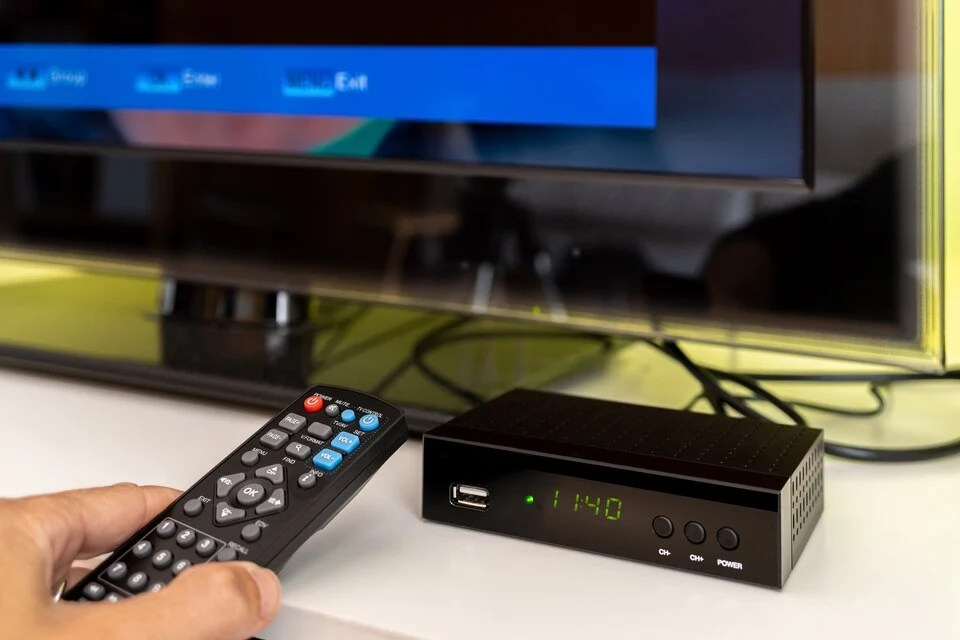
In 2025, the way we consume television has evolved drastically. With the rise of IPTV (Internet Protocol Television), many people are asking: is traditional cable TV still relevant? This article dives into the differences between IPTV and cable TV, highlighting why IPTV is quickly becoming the preferred choice for modern viewers.
Cost Comparison: IPTV vs. Cable TV
IPTV:
One of the key benefits of IPTV over traditional cable is its cost-effectiveness. IPTV services typically offer flexible subscription plans, allowing viewers to choose the content they want without paying for bundled channels they don't need. The price can vary depending on the service, but many IPTV providers offer affordable packages starting at as low as $20 per month.
Cable TV:
On the other hand, traditional cable TV requires a hefty subscription fee. Many users find themselves paying for expensive cable packages with hundreds of channels, most of which they rarely watch. As a result, cable TV can be much more expensive than IPTV, especially when factoring in hidden costs like equipment rentals and installation fees.
Content Variety and Customization: IPTV Advantages
IPTV Flexibility:
IPTV offers an unparalleled level of customization. Unlike cable TV, which provides a fixed set of channels, IPTV allows viewers to select specific genres, packages, and on-demand content. You can choose from international channels, sports networks, movies, TV shows, and more, and even personalize your playlist to suit your preferences.
Cable TV Limitations:
Cable TV, in contrast, typically offers fixed channel bundles that cannot be tailored to individual tastes. While some providers offer add-ons or extra channel packages, these are often expensive and still leave viewers with channels they don't want.
Quality and Performance: Streaming vs. Traditional Cable
IPTV Quality:
When it comes to streaming quality, IPTV generally provides superior video resolution. With support for HD and 4K streaming, IPTV delivers crisp visuals and smooth playback, especially with fast internet speeds. IPTV is optimized for various devices, from smartphones to smart TVs, making it easier to enjoy high-quality content across different screens.
Cable TV Performance:
Cable TV’s performance is often limited to the quality provided by the cable operator. While HD content is available, it usually comes at an additional cost, and the overall streaming experience can be less flexible, especially when it comes to viewing on mobile devices or in 4K.
Device Compatibility: IPTV on Any Screen
IPTV Device Compatibility:
Another area where IPTV shines is its device compatibility. Whether you want to watch TV on your smartphone, tablet, smart TV, or laptop, IPTV makes it easy to access your favorite shows on almost any device. This flexibility is a huge advantage over cable TV, which typically requires you to watch on a traditional TV set connected to a cable box.
Cable TV Device Limits:
Cable TV, by contrast, restricts you to watching content on the TV connected to the cable box, limiting your ability to watch content on-the-go. The process of setting up additional TVs with cable boxes can also result in higher costs and more technical headaches.
The Future of TV 2025: IPTV's Technological Edge
IPTV Innovations:
As we move into 2025 and beyond, IPTV will continue to advance with the help of emerging technologies. For example, AI-powered recommendations are becoming a staple of IPTV services, helping users discover content tailored to their preferences. IPTV also benefits from the growth of 5G networks, which promise to improve streaming speeds and reduce latency, offering an even better experience for viewers.
Cable TV Struggles:
In contrast, cable TV is bound by older infrastructure, and while some providers are attempting to offer more modern features, it’s clear that the future of television is leaning toward internet-based services like IPTV.
Conclusion: Why IPTV is the Future of Television
The clear winner in the IPTV vs. cable TV debate is IPTV, especially for tech-savvy consumers who value flexibility, cost-effectiveness, and high-quality streaming. With the rise of 5G, smarter devices, and an ever-growing content library, IPTV is poised to replace traditional cable TV in 2025 and beyond. It offers an unparalleled viewing experience that traditional cable cannot compete with, making it the preferred choice for the modern viewer.